
Spring Foraging Checklist: Safe Beginner Plants to Identify
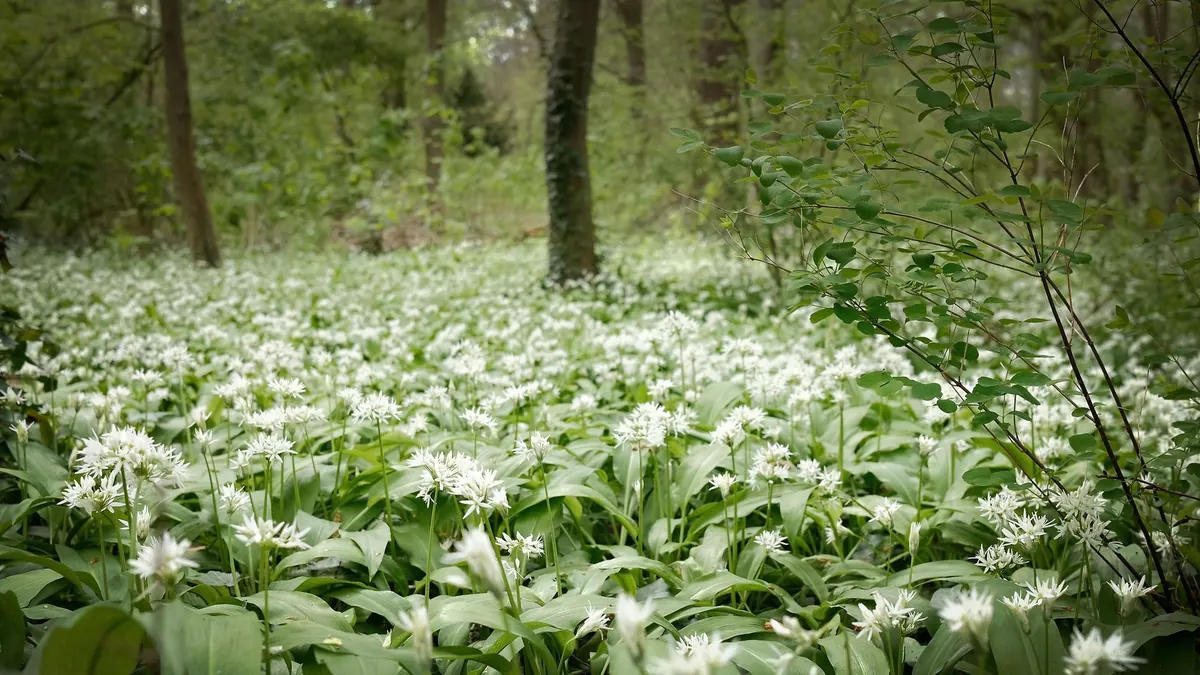
Spring arrives in layers. First the hazel catkins, then nettles pushing through last year's flattened grass, and before long the verges are green with plants most people walk straight past. Foraging starts to feel possible again. The mistake beginners make is trying to learn everything at once. Pick four or five plants you can identify with total confidence, learn them properly, and return to them each spring until recognition is instant. This checklist is built that way: common plants, clear features, and the safety habits that matter more than any single identification.
Safety Rules That Come Before Any Plant
Identification is only half of foraging. The other half is judgement about where you pick, how much you take, and when to walk away. Read these before you read the plant profiles, because they apply to every one of them.
- Never eat a plant you cannot identify with certainty. Confirm it using at least two or three separate features — leaf shape, stem, smell, flower — not just one.
- Learn the dangerous lookalikes first. Knowing what hemlock, foxglove and lords-and-ladies look like is more useful than knowing a hundred edibles.
- Avoid roadsides, sprayed verges, industrial land and popular dog-walking spots. Low-growing greens collect exhaust residue and worse.
- Ask permission on private land and check local rules for parks, nature reserves and protected sites. Picking is restricted in many of them.
- Take a little from a lot. Never strip a patch, never pull roots you don't need, and leave the healthiest plants to set seed.
- Wash everything. Cook what needs cooking. Nettles, for example, must be blanched or cooked.
- If you are pregnant, on medication, or managing a health condition, check with a doctor or pharmacist before eating unfamiliar wild plants. Some are fine for most people and unsuitable for a few.
Take a decent field guide — ideally two, so you can cross-check — plus a knife, a cloth bag, and gloves if you plan on nettles.
Wild Garlic (Ramsons)
This is the plant that converts people. In damp woodland from March to May, wild garlic grows in dense carpets, and the whole area smells faintly of garlic on a warm day.
What to look for
- Long, soft, pointed oval leaves, slightly floppy, often glossy, growing in crowded patches.
- A strong garlic smell when a leaf is crushed between your fingers.
- White star-shaped flowers in loose clusters on a single stem, appearing later in the season.
The smell is your best ally, but don't rely on it alone. Lily of the valley has similar leaves in pairs and no garlic scent. Lords-and-ladies has arrow-shaped, often spotted leaves and a pungent, unpleasant smell — not garlic. If you're unsure, crush a leaf and sniff; then check the flower and how the leaves grow.
Use the leaves raw in small amounts, blended into pesto, stirred through soup, or chopped into butter. The flowers are pretty scattered over a salad.
Stinging Nettle
The most underrated spring green in Britain and Ireland. Nettles appear early, grow fast, and taste somewhere between spinach and cucumber once cooked.
Identify them by the opposite pairs of serrated, pointed leaves, the square-ish stem, and the fine stinging hairs covering everything. Pick only the top four to six leaves of young plants, before they flower and set seed — older nettles get gritty and develop a laxative reputation. Gloves make this pleasant; a bag held open with one hand helps too.
A minute in boiling water destroys the sting entirely. Nettle soup with potato and stock is the classic entry point, but the leaves also work in spanakopita-style pies, in risotto, or dried for tea.
Dandelion
Dandelions get dismissed as weeds, which is a shame, because the young leaves are excellent in spring salads — bitter, peppery, and best mixed with milder greens rather than eaten alone.
Look for a flat rosette of deeply toothed leaves growing straight from the ground, milky sap when you snap a leaf, and a single yellow flower on a hollow, unbranched stem. Every part is useful: leaves before the flowers open, buds pickled, roots roasted and ground.
Cat's ear is the usual confusion. Its leaves are hairy rather than smooth, its stems branch and are solid, and it carries more than one flower per stem. If your plant has a branching stem, it isn't dandelion.
Three Gentle Salad Greens
These three are mild, abundant, and hard to mistake once you've met them properly.
- Cleavers (goosegrass). Square stems, leaves in whorls of six to eight, and tiny hooked prickles that make the whole plant cling to your sleeve. Eat the young tops raw or lightly steamed, before the seeds turn dry and bristly.
- Chickweed. A sprawling, floppy plant with opposite oval leaves and small white star flowers that look like ten petals but are actually five deeply split ones. Check the stem: a single line of fine hairs runs up one side, changing sides at each pair of leaves.
- Sheep sorrel. Arrow-shaped leaves with a sharp, lemony tang. Wonderful as a pinch in a salad or a garnish on fish. Because it's high in oxalic acid, keep it to a garnish rather than a bowlful, and check with your doctor if you have kidney problems.
Late Spring: Hawthorn and Elderflower
As the season rolls on, two more plants join the list. Hawthorn's young leaves — the ones country children call bread and cheese — appear with the blossom in May. Pick them from thorny, lobed-leafed hedges and eat them straight, or chop them into a salad.
Elderflower follows in late May and June: flat, creamy, saucer-shaped heads of tiny flowers with a heavy, sweet scent. Snip the flowers from the stalks into cordial or fritters, and never eat the leaves, stems, bark or roots, which are not for the pot. If the flower heads are domed rather than flat, you've found something else.
Your First Season, Step by Step
Start with two plants, not ten. Spend the first few walks simply looking and photographing, without picking anything. Then bring home a single species, lay it on the kitchen table, and work through your guide feature by feature until you're certain.
Keep a notebook: date, place, weather, what the plant looked like, what you cooked and how it tasted. Next spring you'll read it back and be surprised how much you'd forgotten.
Take one friend, cook something simple the same day, and stay curious about the plants you can't yet name. Knowing ten plants thoroughly will feed you better — and far more safely — than half-knowing fifty.
Photo: Mark Veldman / Pexels