
Seasonal Countryside Walks: What to Look For Month by Month
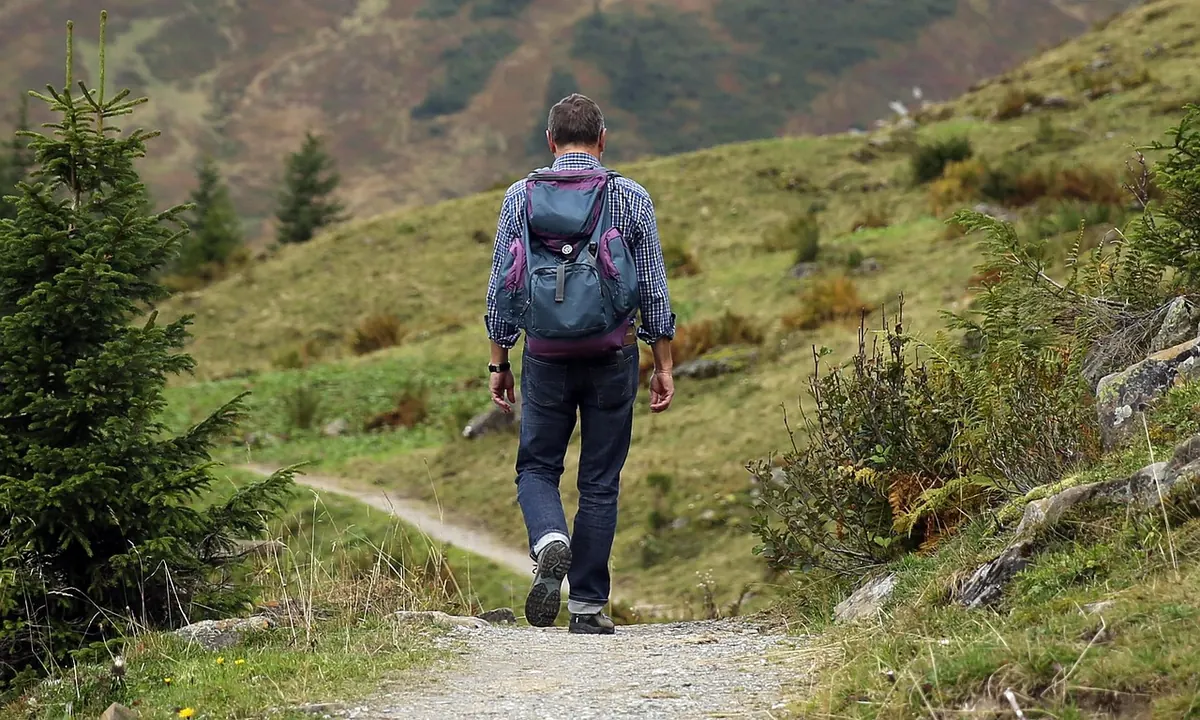
A walk along the same field edge in March and in September can feel like two different places. The hedge is bare one month and weighed down with haws the next; the birds you hear have swapped languages entirely. Once you know roughly what to expect and when, a stroll stops being a green blur and becomes a running story. Timings shift with latitude, altitude and the year's weather, so treat all of this as a loose calendar and let the countryside correct it.
January and February: Reading the Bones of a Place
Winter is the best time to see how a landscape is put together. With the leaves gone, hedge lines, old field boundaries, drainage ditches and the skeletons of oaks stand out clearly, especially on a bright frosty morning when the sun stays low and long shadows pick out every ridge in a ploughed field. Birdsong is thin on the ground, which makes the few voices you do hear easier to place.
- Hazel catkins, hanging like small green lambs' tails, from January onwards
- Purple alder catkins above last year's dark cones, usually beside streams
- Snowdrops in churchyards and old gardens, winter aconite on sunny banks
- Redwings and fieldfares stripping hawthorn and holly berries
- Lapwing and golden plover flocks on wet, rushy fields
- Woodcock flighting at dusk along damp woodland edges
Listen out on mild days for great tits and song thrushes trying out their spring songs far earlier than most people expect. Afternoon starling murmurations, gathering before they drop into a roost, are worth timing a walk around.
March and April: Movement and Noise
Everything speeds up. Skylarks climb and sing over open fields, lapwings tumble over wet pasture, and curlews return to the uplands and marshes with that unmistakable rippling call. Chiffchaffs arrive from mid-March, followed by the first swallows and sand martins.
In the hedges, blackthorn flowers on bare wood — a froth of white before a single leaf appears — while the woodland floor fills with wood anemone, lesser celandine and wild daffodils. Frogspawn appears in ponds, brimstone butterflies and queen bumblebees emerge on the first warm afternoons, and the dawn chorus reaches its loudest from late April.
This is also nesting season for birds that build on the ground. Keep dogs close and stick to footpaths across fields and moorland from March through July; a single careless pass through long grass can end a clutch.
May and June: The Full Green
This is the richest stretch of the year. Bluebells carpet old woods, wild garlic lines damp lanes with its smell before you see it, and cow parsley froths along hedge banks. Cuckoos call from late April into June, swifts scream over towns, and bats flick along woodland rides at dusk.
Butterflies are suddenly everywhere: orange-tips on cuckooflower, speckled woods in dappled shade, common blues on rough grassland. Traditional hay meadows, where they survive, hold ox-eye daisies, yellow rattle and buttercups through June.
Walking bluebell woods without damaging them
Bluebells take years to establish and are easily crushed. Stay on the path, keep off the visible flower patches for photographs, and never dig bulbs. The same goes for picking wildflowers generally — many are protected, and in any case they wilt before you get home.
July and August: High Summer and the First Turning
Meadow browns, ringlets and gatekeepers flit through long grass, dragonflies patrol ponds, and meadowsweet and purple loosestrife colour damp ground. Young birds move about in noisy family parties — tits, warblers and finches drifting through the canopy.
Swifts peak early and are already slipping away by mid-August, one of the quietest departures of the year. On the moors, heather turns purple; in the hedges, the first blackberries ripen. Harvest leaves pale stubble fields that gulls and pigeons work over for weeks.
Walk early in hot spells, carry more water than you think you need, and plan routes with shade or a pub at the halfway point. Midday heat is hard on dogs as well as people.
September and October: Berries, Fungi and the Rut
The year starts paying out. Hawthorn haws, rowan berries and elderberries hang heavy, with sloes on blackthorn — traditionally picked after the first frost, though freezing them at home does the same job. Fungi push up through leaf litter: boletes, puffballs, fly agaric under birch.
Look, photograph, and leave them alone. Identification from a picture is unreliable, and some common species have dangerous lookalikes. If you want to forage seriously, learn from an experienced local group rather than a book alone.
October brings the red deer rut. Dawn and dusk are best; listen for bellowing across moorland, parkland and forestry edges, and watch from a good distance — stags are preoccupied and unpredictable. Mist sits in the valleys, oak and beech drop acorns and mast, and the first redwings and fieldfares arrive from the north.
November and December: Bare Trees and Big Skies
The hedges are stripped again, and the birds that stripped them are still around, often in mixed flocks with redwings, fieldfares and blackbirds. Holly berries glow in dull light, and mistletoe shows up as green clumps in the bare crowns of apple, poplar and lime in parts of central and south-west England.
Watch for siskins and redpolls feeding in alder, short-eared owls hunting rough grassland at dusk, and starling murmurations at their most spectacular on still, cold evenings. Soft ground after rain is perfect for tracking: look for the neat prints of fox and roe deer along field margins and badger paths running between setts and hedgerows.
Making It a Monthly Habit
The trick with seasonal watching is repetition rather than distance. Five short, regular walks will teach you far more than one long expedition.
- Pick one route and walk it once a month, ideally on a similar morning or evening.
- Note three things you saw or heard, with the date, on your phone or in a small notebook.
- Slow down at edges. Hedgerows, field margins, stream banks and woodland boundaries hold most of the action.
- Go early. The first hour after dawn beats the rest of the day for birds and mammals.
- Carry the basics: waterproof boots, a light rain jacket, water, and binoculars if you have them. In winter, add a head torch for early dusk.
Check whether your local wildlife trust runs a reserve nearby; their noticeboards often flag what's showing that week. Then keep going through the quiet months, when it is easy to stay indoors. That is usually when the best things happen.
Photo: Hermann / Pixabay