
Patio Container Gardening: Best Herbs for Outdoor Living
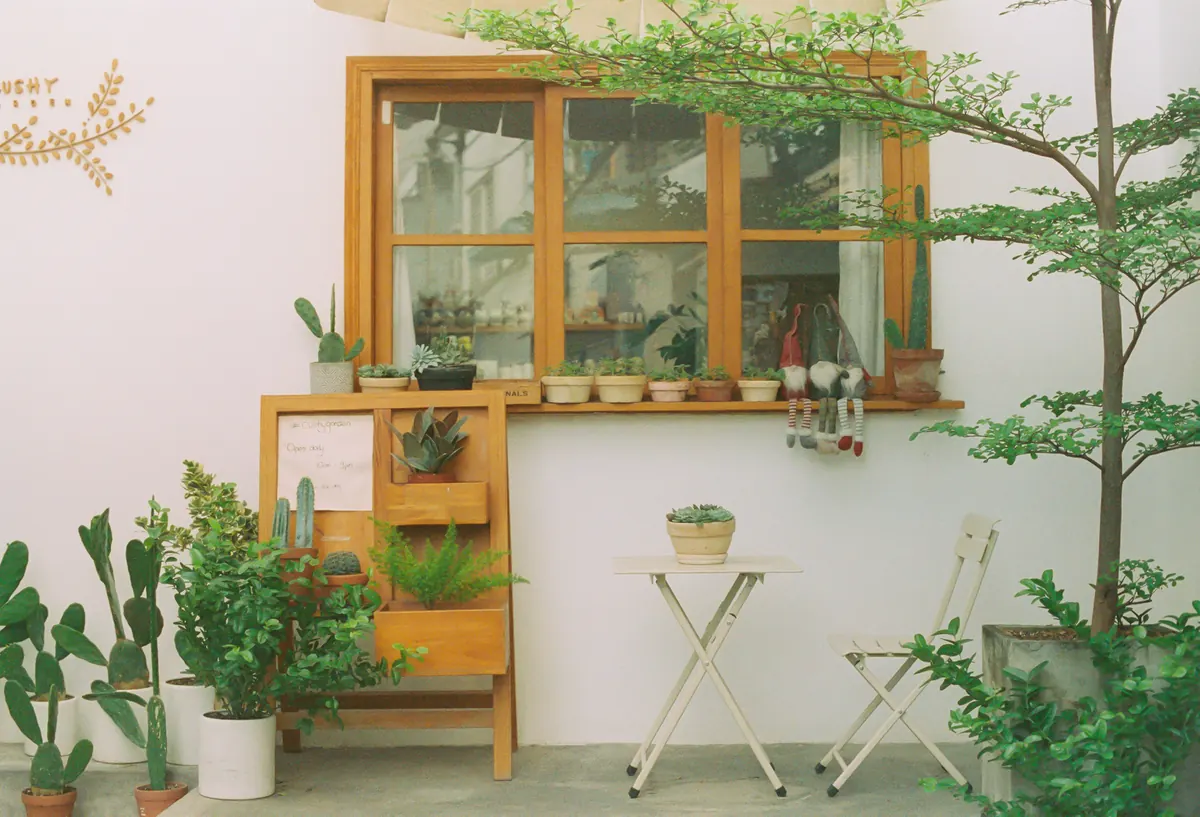
A pot of basil by the back door, a sprawl of mint near the bench, a thyme plant that somehow survives every winter. Herbs are the most forgiving thing you can grow on a patio, and they earn their space twice over: they look good, and they end up in your food. You do not need a raised bed, a greenhouse or much know-how. You need the right plants, a pot with a hole in the bottom, and a bit of routine.
Start With Herbs That Actually Like Pots
Not every herb enjoys container life, and the ones that struggle usually fail for one of two reasons: their roots stay too wet, or they are crammed into soil that is too rich.
The Mediterranean crowd — rosemary, thyme, oregano, sage, winter savory — evolved on rocky hillsides. They want gritty, free-draining compost, full sun and a chance to dry out between waterings. Treat them mean and they will reward you with concentrated flavour.
Soft herbs — basil, parsley, coriander, chives, mint — are thirstier and happier in richer soil with more consistent moisture. Basil in particular hates being cold and wet at the same time. If you remember nothing else, remember this split. It prevents most of the disappointment beginners meet in July.
Pick the Right Pot and Do Not Skip Drainage
Size matters more than style. A herb in a tiny pot dries out twice a day in summer and bolts or sulks. Aim for containers at least 20cm across for a single plant, and 30cm or more if you are grouping several together.
Terracotta breathes, which suits rosemary and thyme, but it also dries out fast. Glazed ceramic and plastic hold moisture longer, which soft herbs prefer. Whatever you choose, it needs drainage holes. A saucer is fine underneath, but empty it after heavy rain so roots are not sitting in water.
One rule is worth repeating: give mint its own pot. It spreads by runners and will smother everything sharing its space within a season.
The Best Herbs for Patio Pots
These are the varieties that earn their keep in a small space and cope with container growing:
- Basil — the patio classic. Sweet Genovese for pesto, bush or Greek types for smaller pots. Pinch out flowers to keep leaves tender.
- Mint — spearmint for tea, Moroccan mint for cooling drinks. Grow it alone and keep it watered.
- Chives — tough, pretty, and they come back year after year. Snip stems to about 5cm and they regrow fast.
- Flat-leaf parsley — slower to germinate but worth the wait. Buy a plant rather than seed if you want to harvest this season.
- Thyme — creeping or common. Loves sun, tolerates neglect, and the flowers feed bees.
- Rosemary — needs the largest pot of the group and sharp drainage. Excellent with roast vegetables.
- Oregano — let it dry out slightly and the flavour deepens. Perfect for tomato dishes.
- Sage — a single plant is plenty. Cut it back after flowering to stop it going woody.
- Coriander — sow little and often, because it bolts in heat. Succession sowing from spring through late summer keeps leaves coming.
Soil, Feeding and Watering Without Overthinking It
Use fresh potting compost, not soil dug from the garden. Garden soil compacts in pots, drains badly and can carry weeds and pests. A peat-free multipurpose mix works well; for rosemary, thyme and oregano, stir in a handful of horticultural grit or perlite per pot.
Feed lightly. Herbs grown for leaves do not need much, and overfeeding produces lush, watery growth with weak flavour. A slow-release granules mixed in at planting usually carries plants through the first couple of months, then a half-strength liquid feed every fortnight is plenty. Stop feeding by early autumn.
On watering: push a finger into the compost up to the first knuckle. If it feels dry there, water until it runs out of the base. Little and often is the wrong approach — it wets only the surface and encourages shallow roots. In a hot spell, small pots may need water twice a day, and terracotta dries fastest of all.
Sun, Shelter and Finding the Right Spot
Most culinary herbs want six hours of direct sun or more. Mint and parsley are the exceptions and will cope with partial shade, though they will be less vigorous.
Wind is the quiet killer on patios, especially on upper floors or exposed corners. It snaps stems, dries compost and topples pots. A wall, a railing or a cluster of containers grouped together offers useful protection. Grouping also shades the compost surface, which slows evaporation on hot days.
Practicality counts too. Put the herbs you use most within arm's reach of the kitchen door or the barbecue. You will harvest far more from a pot you brush past than from one at the far end of the garden.
Harvest Often and Harvest Properly
Regular picking keeps herbs bushy and productive. Left alone, most will stretch, flower and turn woody.
Pinch basil just above a pair of leaves, never taking more than a third of the plant at once. Cut chives close to the base. Snip the tips of thyme and rosemary rather than cutting into old wood, which rarely regrows. Take parsley and coriander leaves from the outside of the plant first.
If you want a bigger harvest than you can use fresh, freeze chopped leaves in ice cube trays with a little water or oil. Soft herbs like basil and parsley freeze far better than they dry.
A Simple Plan for Your First Season
Start small and choose four pots: one basil, one mint in its own container, one thyme or rosemary, and one chive or parsley plant. Position them where you will actually see them, water when the top of the compost dries, and pick something every few days.
Add a fifth pot next year once you know what you cook with. That is the whole trick with patio herbs — grow what you eat, keep the pots close, and let the plants tell you what they need. By midsummer you will be stepping outside with scissors instead of reaching for a supermarket packet, and that is a genuinely good feeling.
Photo: Mạnh Hùng / Pexels