
Common Tomato Growing Mistakes in a UK Garden
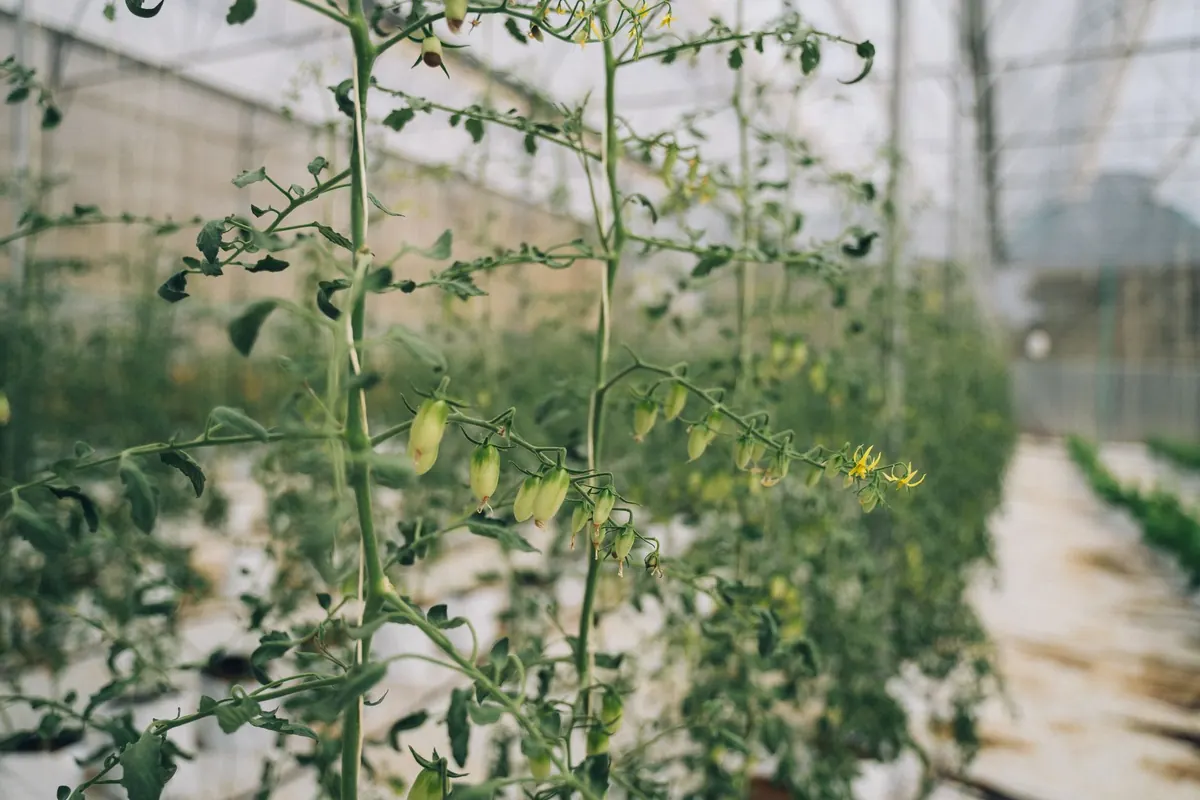
Tomatoes are one of the most rewarding crops you can grow in a UK garden, and one of the most forgiving — up to a point. Most disappointing harvests aren't the fault of bad seed or bad luck. They come from a handful of small, repeatable mistakes: watering that swings from drought to swamp, feed given at the wrong moment, side shoots left to run wild, and a greenhouse shut tight on the hottest afternoon of July. The encouraging part is that every one of these is fixable, often within a week. Here's what tends to go wrong, and what to do instead.
Starting Too Early, Then Planting Out Too Cold
Tomatoes need light far more than they need warmth, and a January sowing on a north-facing windowsill produces pale, thin, stretched plants that never quite catch up. In most of the UK, sowing under cover from late February to late March is plenty early. The plants will be stockier and will overtake any leggy January specimens by June.
The second half of that mistake is impatience at planting-out time. Tomatoes sulk below about 10°C at night, and cold soil stalls them for weeks. Wait until the risk of frost has passed — usually late May in the south, early June further north — and harden plants off over a week, bringing them in at night at first.
If your seedlings do go leggy, don't bin them. When you pot on, bury the stem up to the lowest leaves. Tomatoes root along the stem, and a deep-planted seedling becomes a sturdier plant. Turn windowsill pots daily as well; one-sided light is what causes most of that leaning.
Watering That Swings Between Drought and Flood
This is the single most common error, and it causes the two problems growers ask about most: split fruit and blossom end rot.
Blossom end rot shows as a sunken, leathery brown-black patch at the base of the fruit. It's usually described as a calcium deficiency, but in practice it's a delivery problem. Calcium moves through the plant in water, so when the soil dries out and then floods, the fruit at the end of the line misses out even if the compost contains plenty. Consistent moisture prevents it. Once a fruit has the patch, remove it and keep watering evenly — later trusses will be fine.
Splitting works the same way in reverse: a dry spell followed by heavy watering or rain makes the fruit swell faster than the skin can stretch. Water the soil rather than the leaves, and in the morning where you can, so foliage dries before evening.
Quick check for containers and growbags
- Push a finger in 2–3cm down. Damp, not dripping, is the target.
- Growbags dry out fast. In a hot spell, morning and evening watering is normal, not excessive.
- Standing pots in saucers is fine in summer, but empty them during cool, wet weather.
- Mulch the surface with compost or grass clippings to slow evaporation.
- Never let a plant wilt before you water it. That cycle is what triggers rot and splits.
Feeding: Too Much Nitrogen, Too Little Potash
Multi-purpose compost carries enough feed for roughly the first few weeks. After that, the plant is on its own. The mistake is reaching for a general-purpose feed all season, which pushes leaves at the expense of fruit. Swap to a high-potash tomato feed once the first truss has set fruit, and follow the label — weekly for plants in borders, more often for growbags and small pots, where roots have less room to forage.
Two smaller feeding traps are worth knowing. Don't feed a dry plant; water first, then feed, or you risk scorching the roots. And if older leaves turn yellow between the veins while the veins stay green, that's the classic look of magnesium shortage — many tomato feeds include magnesium for exactly this reason, and a dilute magnesium sulphate drench is the traditional remedy. Follow the product label rather than guessing at strengths.
Pruning Panic — Cordon or Bush?
Half the pruning problems in UK gardens come from not knowing which type you're growing. Check the seed packet or label before you touch anything.
Cordon (indeterminate) varieties grow as a single stem and need their side shoots removed. These appear in the joint between a leaf and the main stem. Pinch them out while small, weekly, with fingers or a knife. Once four or five trusses have set, pinch out the growing tip — usually late August or early September — so the plant puts its energy into ripening fruit rather than making more flowers that won't finish.
Bush (determinate) varieties stop growing on their own and shouldn't be pinched out at all. Remove only yellowing leaves. Stripping a plant bare to "help it ripen" is counterproductive: leaves feed the fruit, and exposed tomatoes scorch in strong sun. Clear the leaves below the lowest truss for airflow, and leave the rest.
Ignoring Airflow, Humidity and Blight
A greenhouse left shut all day can exceed 30°C and turn humid and still. Fruit set suffers, and botrytis moves in. Open vents and the door in the morning, and close up in late afternoon before the temperature drops. On still days, tapping the cane or support mid-morning helps pollen move between flowers.
Outdoors, the risk that sharpens in a warm, wet August is blight. Look for greasy grey-brown patches on leaves and dark streaks on stems that spread quickly. Act the same day: cut off affected foliage, bin it rather than composting it, and improve airflow around the plants. If it takes hold, pick green fruit and ripen it indoors on a windowsill or in a paper bag — or turn it into chutney. Varieties bred for better blight tolerance, such as Ferline and Crimson Crush, are worth trying if you grow outdoors every year.
A Ten-Minute Weekly Routine
Almost everything above is prevented by one short walk round the plants each week:
- Check moisture at root level before you water, not the surface.
- Pinch out side shoots on cordons; leave bush types alone.
- Tie in stems and check supports aren't cutting into them.
- Remove yellowing leaves below the first truss and any suspect foliage.
- Feed to the label's schedule, and only onto damp compost.
- Open and close greenhouse vents with the day's weather.
Tomatoes reward consistency more than enthusiasm. Steady watering, the right feed at the right stage, a bit of discipline with the secateurs and a greenhouse that breathes will get you through most UK summers with fruit to spare — and a few green ones for chutney if the weather has other ideas.
Photo: Anna Tarazevich / Pexels